
Rolev Quarterly
Early morning London park path with dew on the grass, low-angle sunlight filtering through bare trees, a lone figure walking in the distance
London, 2026 — Field Archive, Movement & Weight Studies

Routine.Record.Move.

An independent editorial record of daily movement patterns, low-impact activity research, and the documented relationship between consistent steps and weight balance.

Read the Archive
Daily Step Count Low-Impact Activity Walking Rhythm Energy Balance Functional Movement Morning Routine Bodyweight Practice Outdoor Activity Metabolic Support Sustainable Habits Daily Step Count Low-Impact Activity Walking Rhythm Energy Balance Functional Movement Morning Routine Bodyweight Practice Outdoor Activity Metabolic Support Sustainable Habits
01
7,400
Avg. daily steps linked to weight stability in published research
02
63%
Of adults meet activity targets through non-gym movement alone
03
22 min
Median daily walking duration in documented urban movement studies
04
3.1×
Greater consistency rate among those using low-intensity activity rhythms
05

About This Publication

Rolev Quarterly is an independent editorial publication founded in London. Its editorial focus centres on the documented relationship between everyday physical activity and weight balance — with particular attention to low-impact approaches accessible outside structured gym environments.

About the Publication →

Evidence-Informed

Each article references peer-reviewed research on movement patterns, step counts, and energy balance without overstating conclusions beyond what documented evidence supports.

Accessible Methods

The publication covers bodyweight movement, park-based exercise, household activity, and walking — approaches that require no specialist equipment or gym membership.

Long-Form Depth

Each piece is written to editorial-quality standards: fully sourced, reviewed by a second editor before publication, and structured to reward careful reading rather than scanning.

06

Featured Archive

Wide shot of a flat London park at dawn, two people walking separately along a gravel path, long shadows stretching across the dew-covered lawn
Documented observation — Regent's Park perimeter walk. Field notes, January 2026.
07

The Low-Intensity Approach

Movement research increasingly documents the cumulative value of low-intensity activity — an approach centred on consistent daily engagement rather than peak-output intervals. The category includes walking, gentle stretching, bodyweight movement and structured mobility work.

Evidence from longitudinal studies suggests that individuals who maintain low-intensity movement habits achieve greater long-term consistency in weight management compared to those who rely solely on periodic high-intensity sessions.

Editorial Standards →
08

Coverage Areas

01 — Walking & Steps

Daily step count methodology, cadence analysis, pace documentation, and the relationship between accumulated walking and weight stability across different terrain and urban contexts.

02 — Functional Movement

Bodyweight movement patterns, mobility work, stretching protocols, and the integration of functional movement into everyday schedules without specialist equipment or structured gym access.

03 — Outdoor & Park Activity

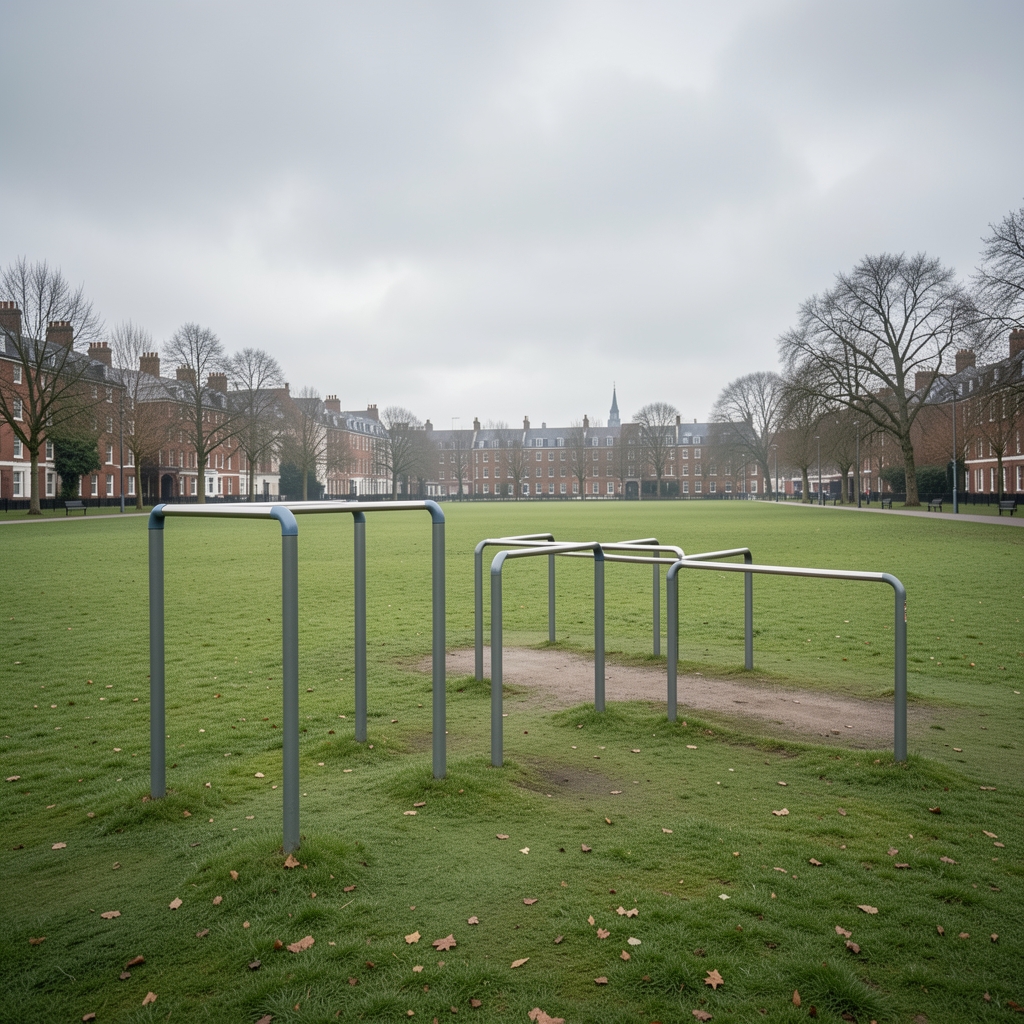
Park-based exercise environments, outdoor bodyweight work, seasonal movement adaptation, and the documented effect of natural environments on activity consistency and engagement.

04 — Habit & Rhythm

Movement break frequency, morning routine construction, household activity accumulation, and the behavioural patterns associated with long-term sustainable movement practice and daily habit formation.

05 — Metabolism & Energy

Light activity and metabolic rate, non-exercise activity thermogenesis, energy balance across sedentary and active days, and the documented contribution of low-intensity movement to overall energy output.

06 — Mobility & Stretching

Stretching and mobility work as components of a daily movement routine, with reference to published evidence on range-of-motion maintenance, postural patterns, and the role of flexibility in sustaining activity into later life.

09

Frequently Documented Questions

Published research consistently identifies an association between accumulated daily steps — typically measured across waking hours — and weight stability. The relationship is not linear: studies note diminishing returns above approximately 10,000 steps, with the most significant observable effect between 4,000 and 8,000 daily steps compared with sedentary baselines. Cadence and terrain also factor into total energy output.

Low-impact activity is characterised by reduced joint loading and submaximal cardiovascular intensity. The category includes walking, light cycling, aquatic movement, and bodyweight exercises performed at controlled pace. The defining attribute is accessibility across fitness levels and the lower barrier to sustained daily practice compared to high-intensity formats.

Non-exercise activity thermogenesis (NEAT) — the category covering all movement outside structured exercise — is documented to account for significant variation in total daily energy expenditure across individuals. Domestic tasks, standing, stair use, and short movement breaks each contribute to this total. Research on NEAT suggests that individuals with higher habitual domestic activity maintain lower body mass indices independent of structured exercise frequency.

Morning movement is associated with higher daily step counts and greater activity consistency in habit-formation studies. The mechanism is not primarily physiological — morning activity tends to be completed before schedule disruptions occur, leading to higher adherence rates. Research on circadian patterns indicates morning light exposure during outdoor walks also produces secondary effects on alertness and sleep timing.

Each article published by Rolev Quarterly is reviewed by a second editor before publication. Sources are cited where material claims are made. Writers are required to disclose any commercial relationships that could influence subject selection. The publication operates under the editorial principles outlined on the Methodology page.

Editorial Notice

Articles published on Rolev Quarterly are editorial in nature and reflect the writers' observations on everyday wellness practices. The content is not intended as professional advice, nor as guidance for the management of any specific condition. Readers with specific concerns about their daily routines are encouraged to speak with a qualified wellness professional.